How to Handle HTTP 429 Responses in WordPress
Learn how to handle HTTP 429 responses in WordPress using rate-limit detection, Retry-After, exponential backoff, jitter, queues, throttling, caching, and safe API recovery. [Read More...]

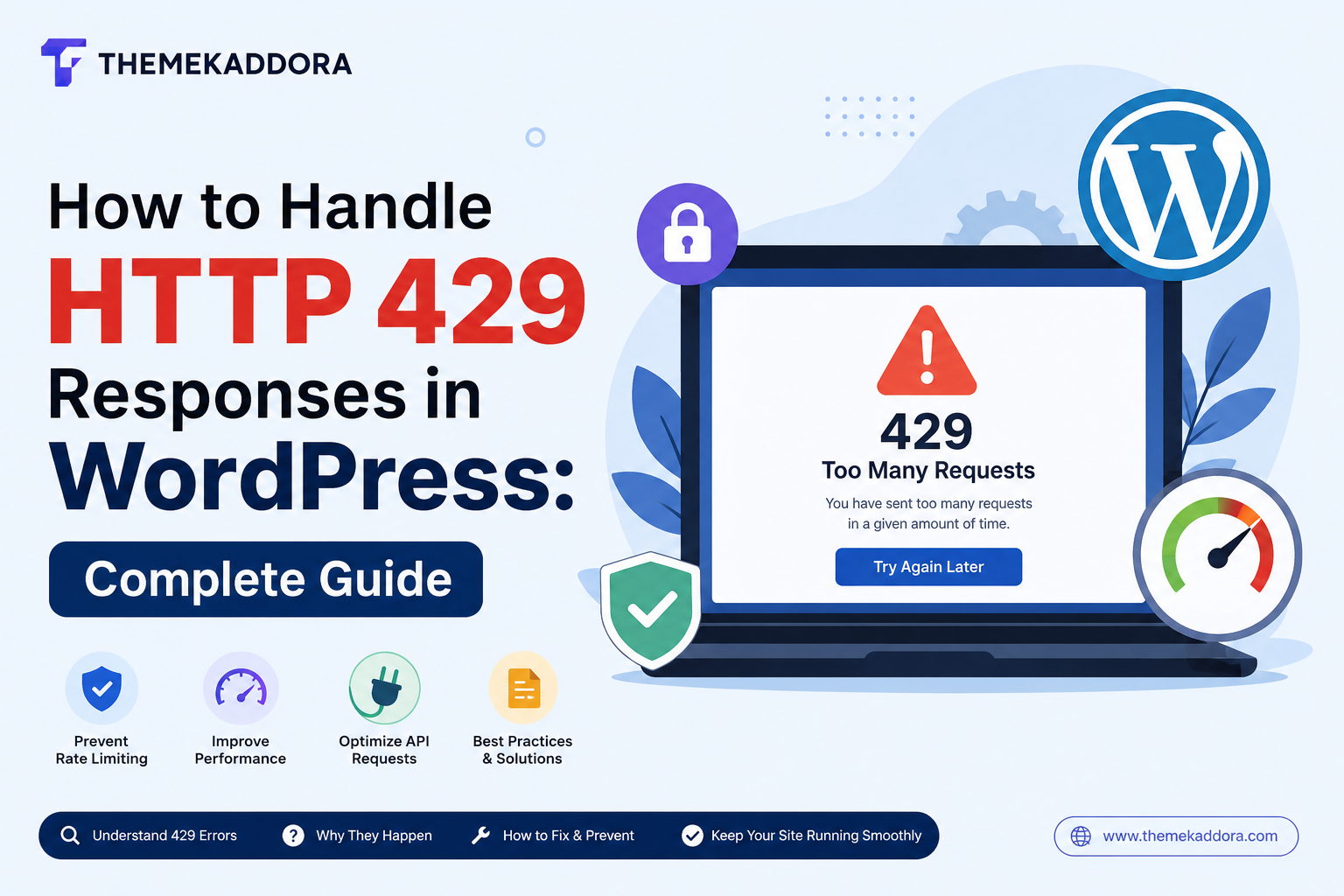
Learn how to handle HTTP 429 responses in WordPress using rate-limit detection, Retry-After, exponential backoff, jitter, queues, throttling, caching, and safe API recovery. [Read More...]
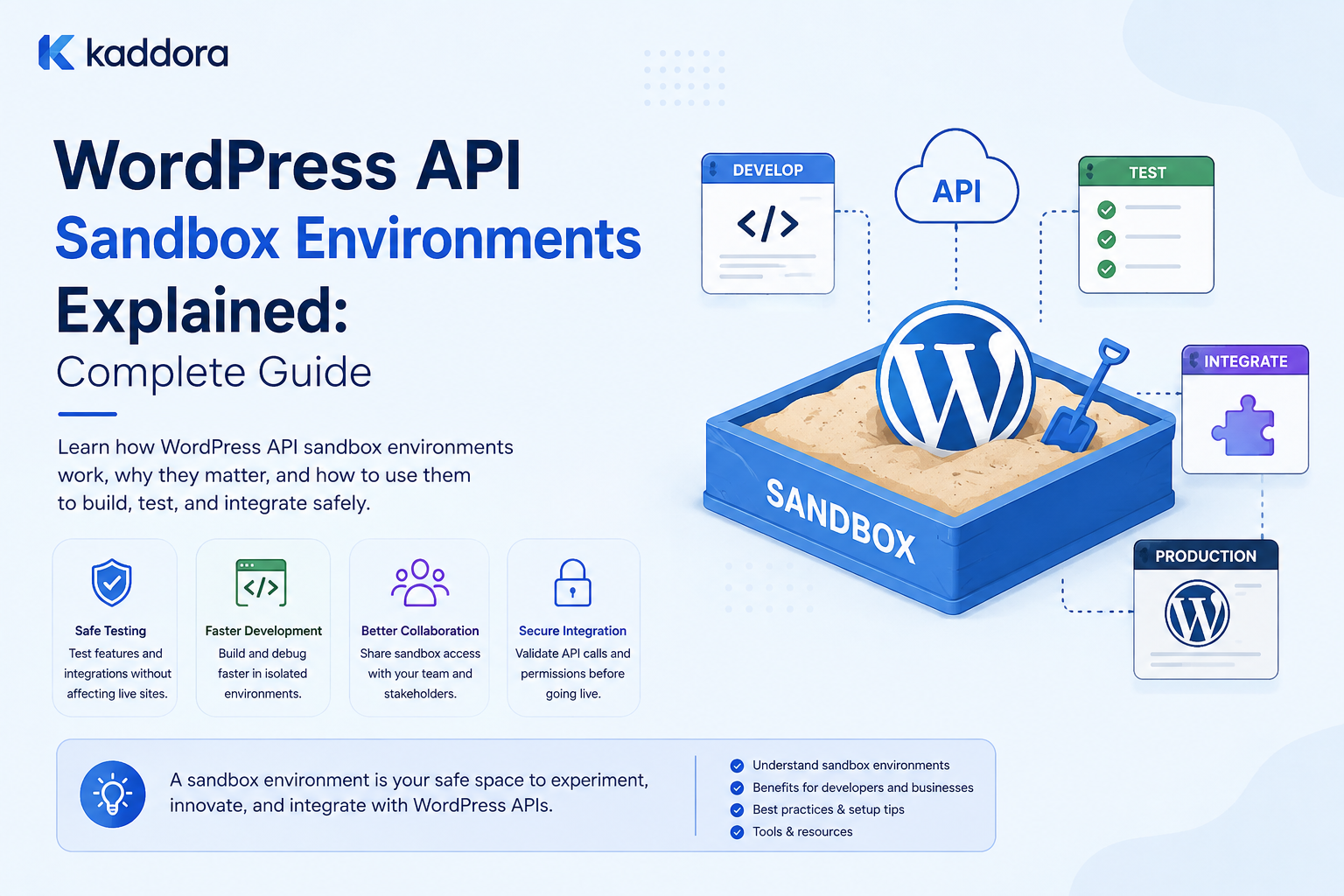
Learn how WordPress API sandbox environments work, why developers use them, how to configure sandbox credentials, test APIs safely, handle webhooks, and prepare integrations for production. [Read More...]
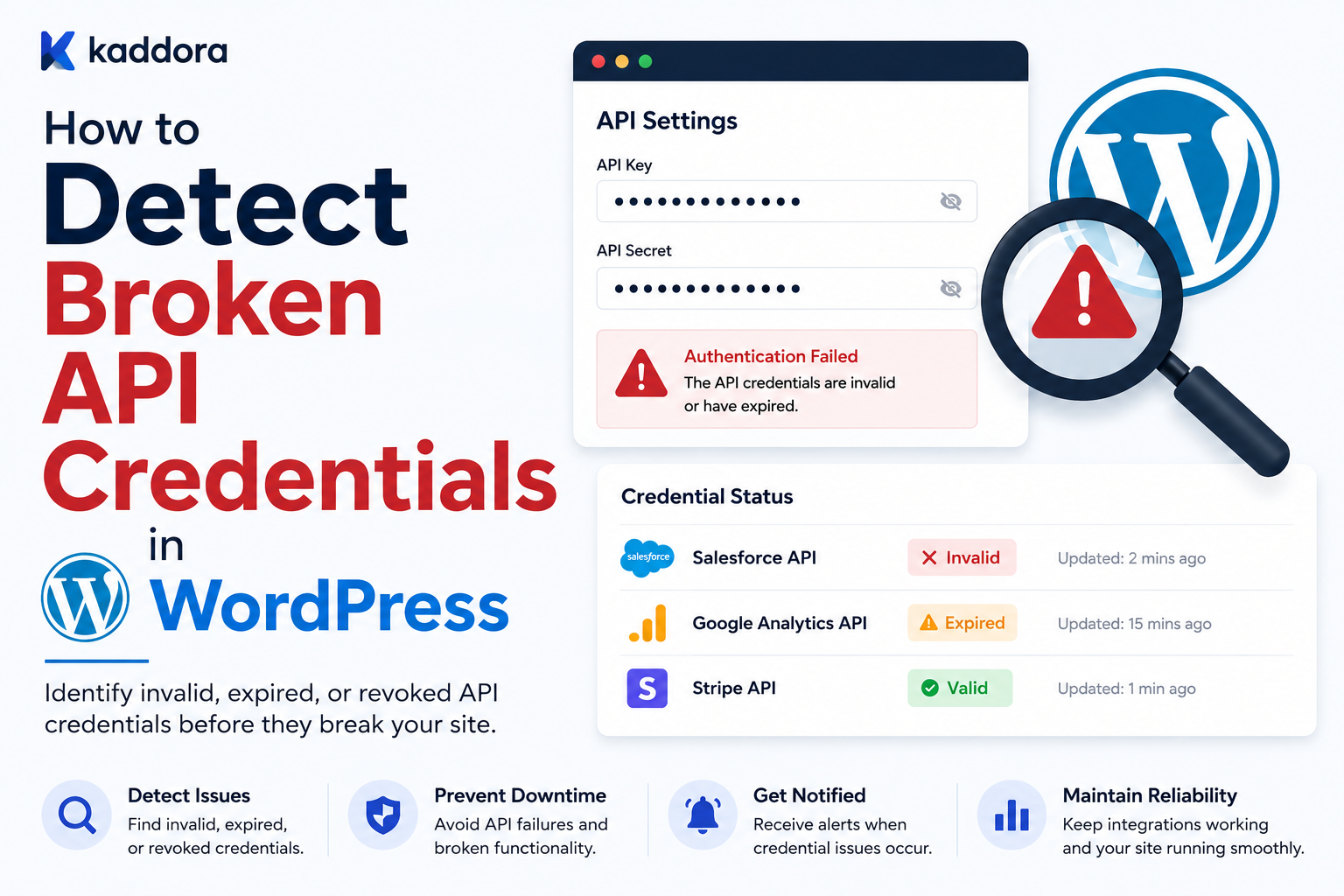
Learn how to detect broken API credentials in WordPress using authentication checks, token validation, OAuth refresh, error classification, health checks, reauthorization, and secure diagnostics. [Read More...]
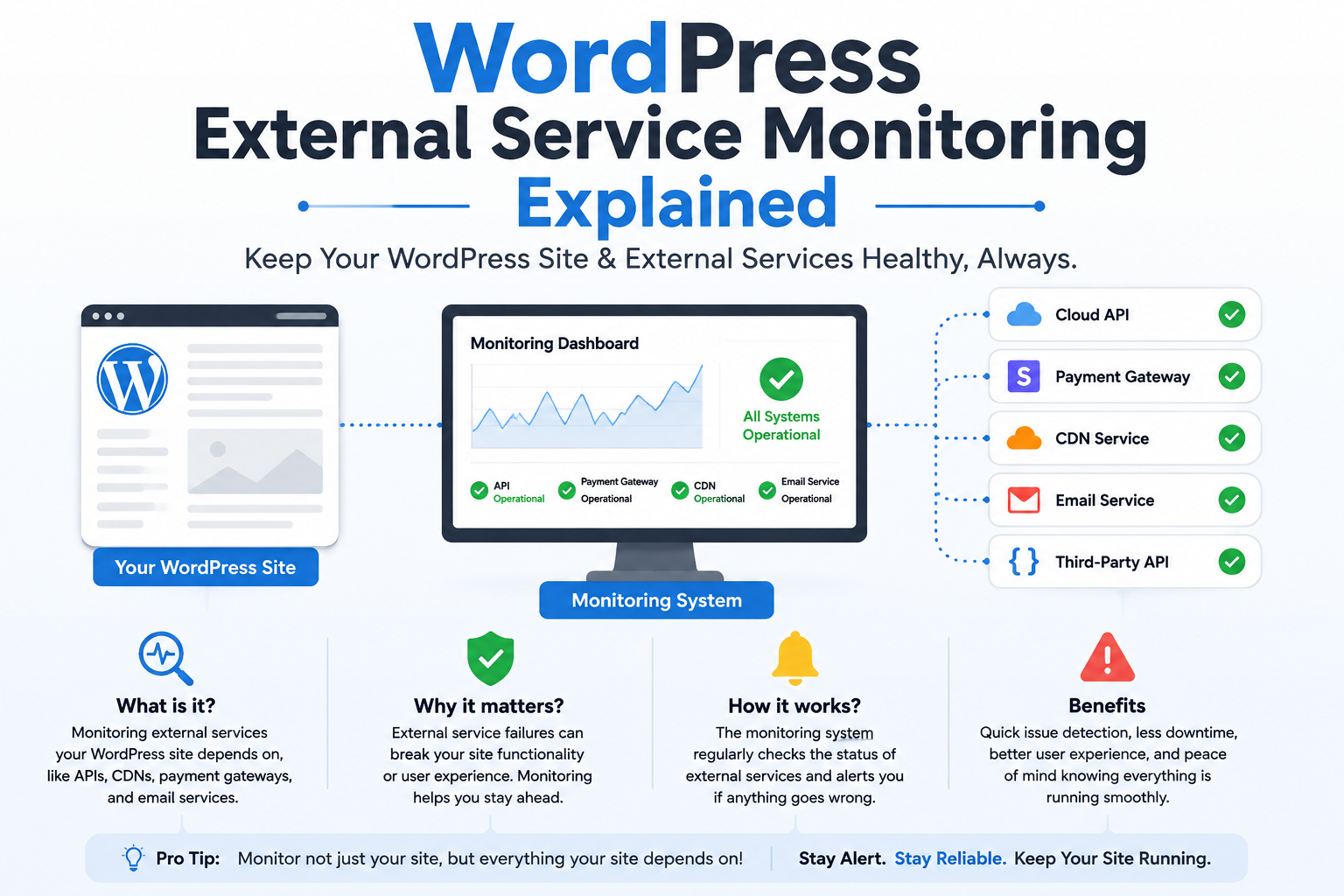
Learn how to monitor external services in WordPress, including APIs, OAuth, webhooks, synchronization, queues, uptime, latency, rate limits, errors, outages, and integration health. [Read More...]
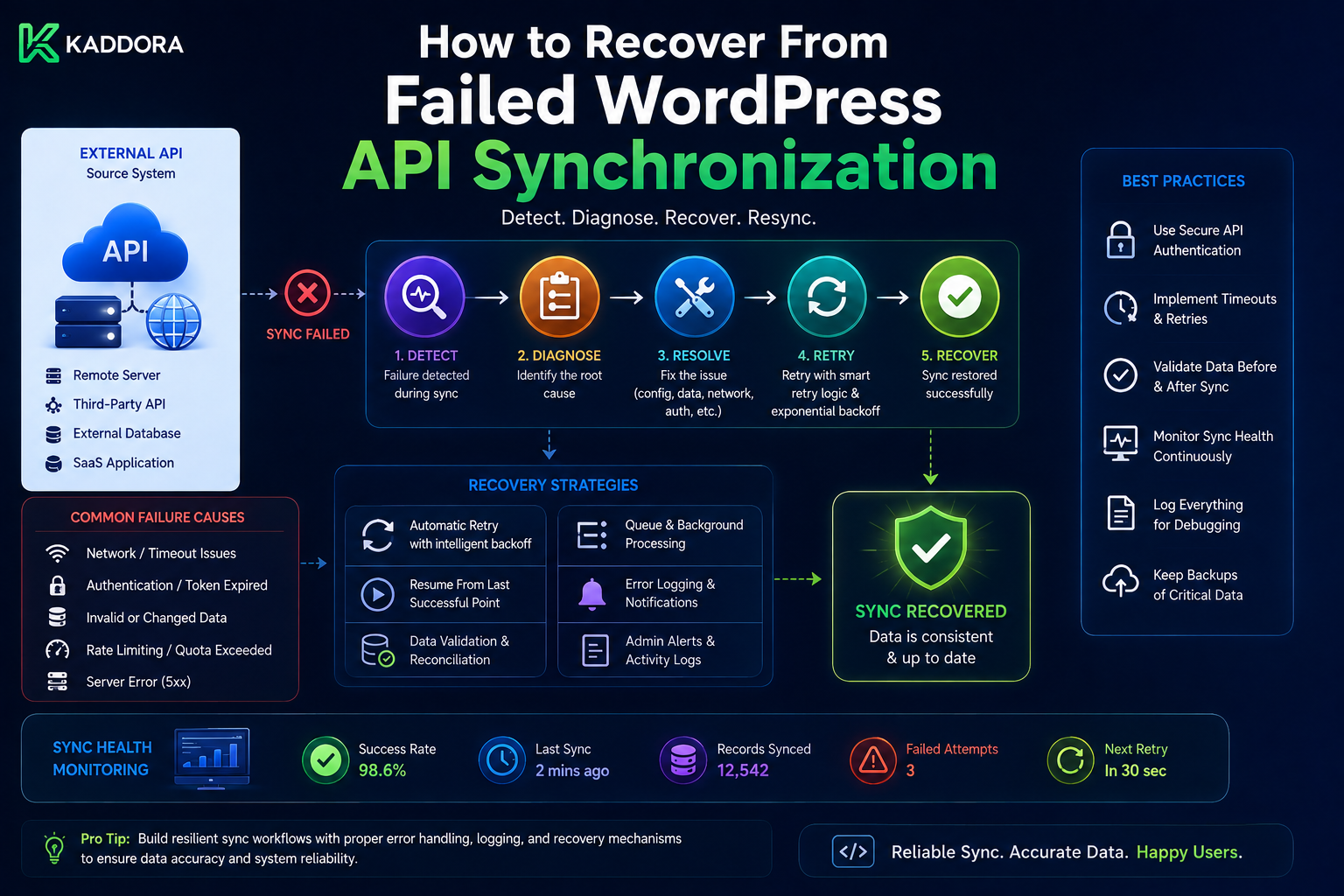
Learn how to recover from failed WordPress API synchronization using checkpoints, retries, queues, reconciliation, error classification, rollback strategies, reauthorization, and safe data recovery. [Read More...]
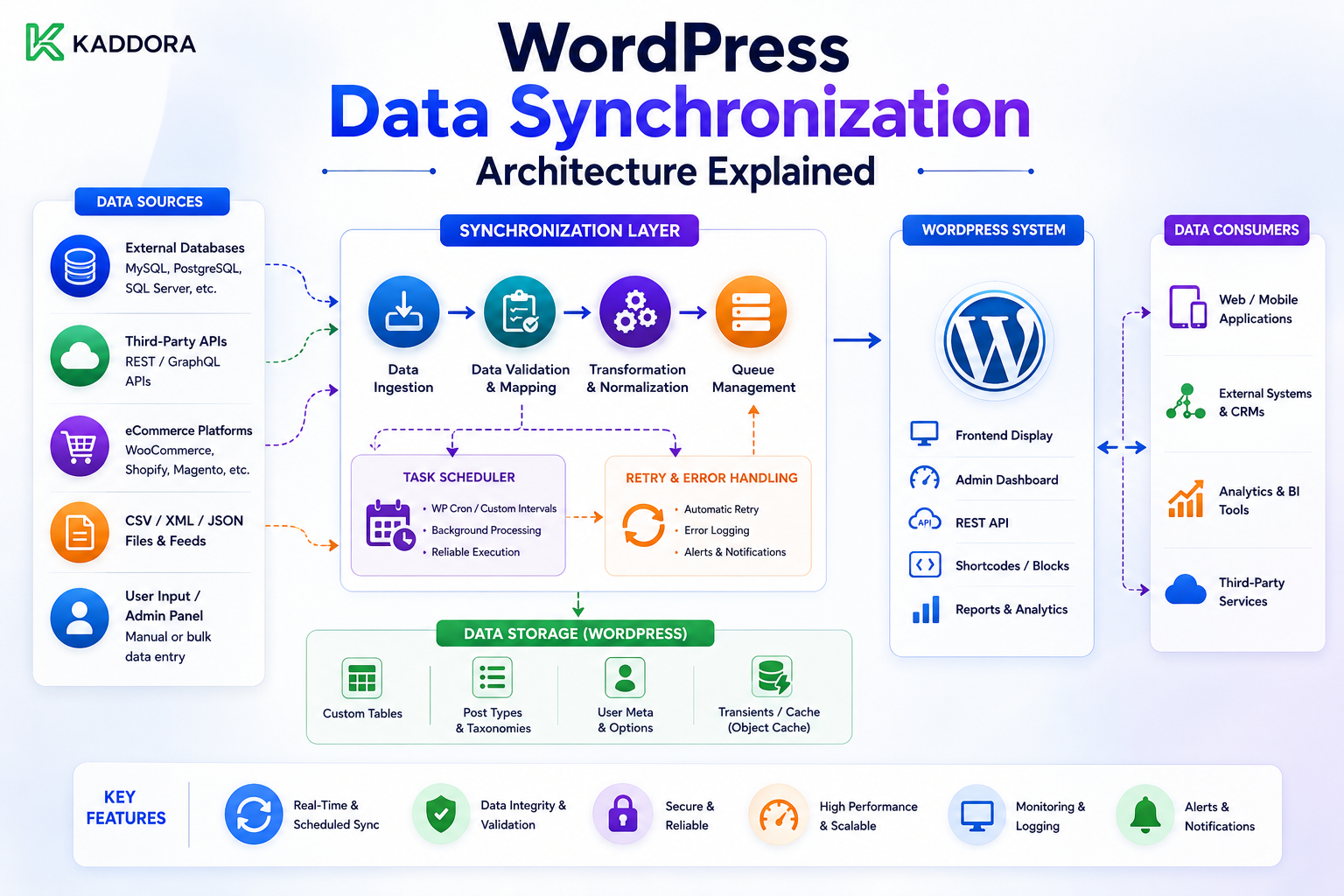
Learn how to design WordPress data synchronization architecture with APIs, webhooks, queues, checkpoints, idempotency, retries, caching, multi-tenant isolation, and scalable integration patterns. [Read More...]
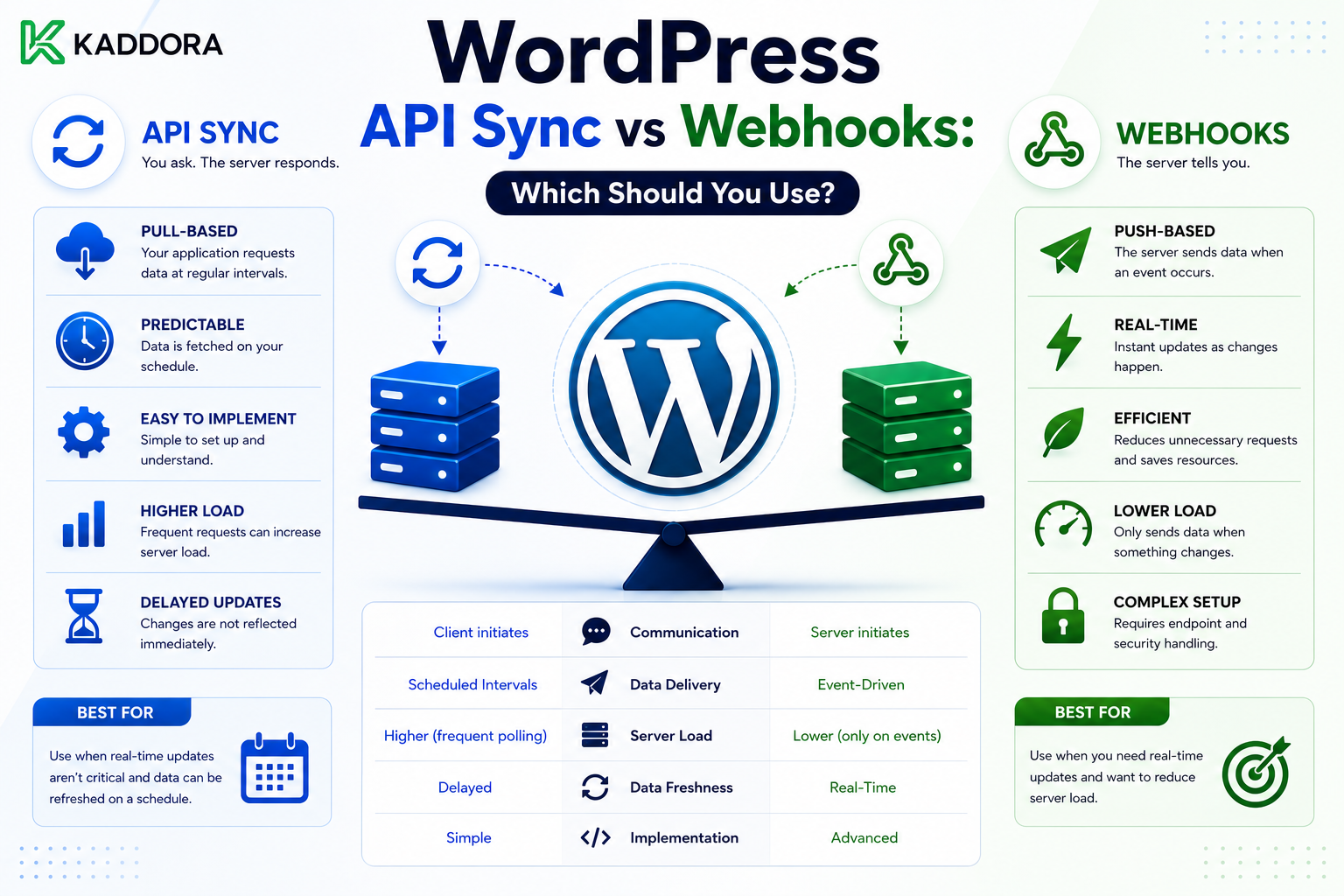
Compare WordPress API synchronization and webhooks. Learn when to use polling, incremental sync, webhooks, hybrid architectures, reconciliation, and how to choose the right integration strategy. [Read More...]
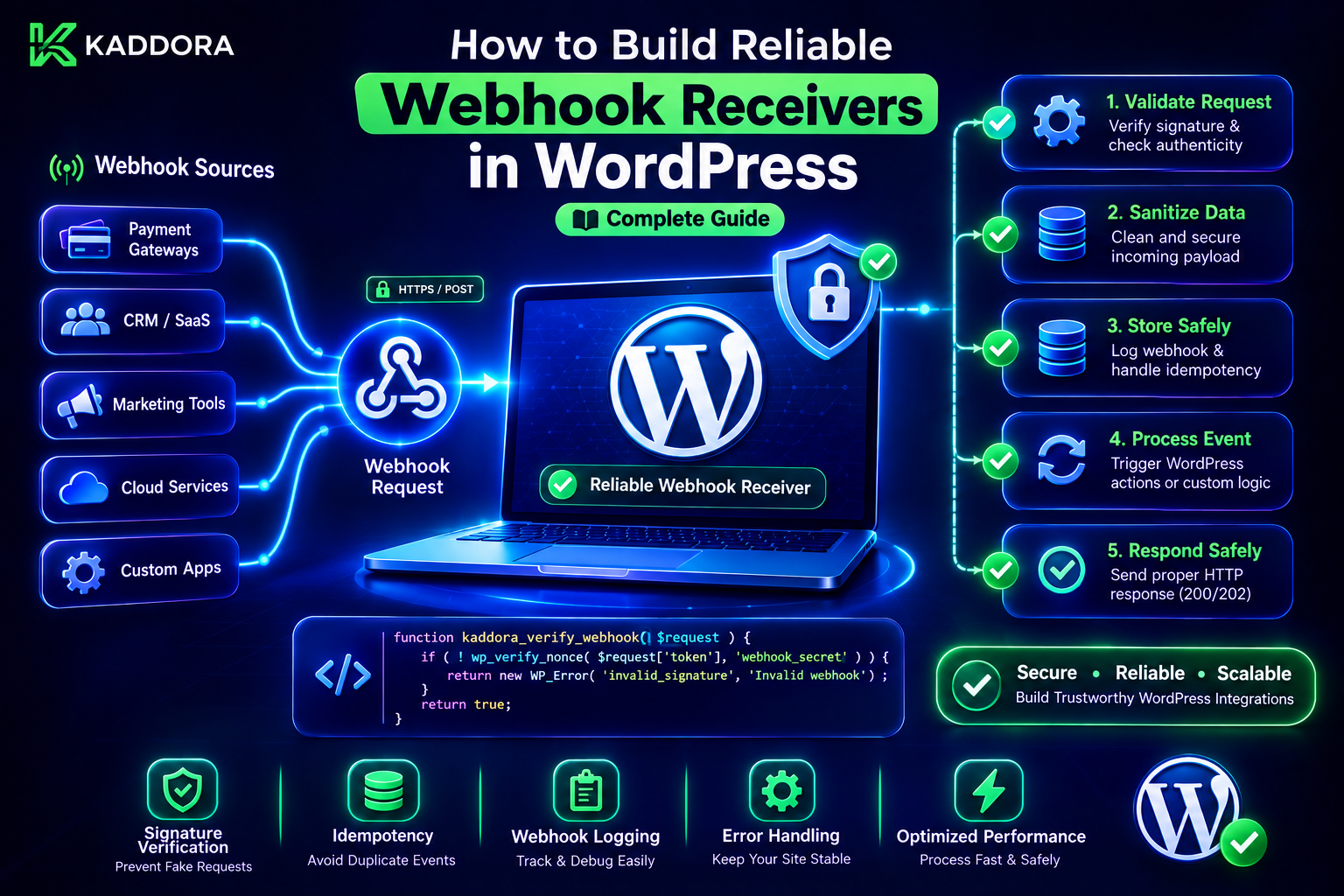
Learn how to build reliable webhook receivers in WordPress with signature verification, raw-body handling, idempotency, event storage, queues, retries, rate limiting, security, monitoring. [Read More...]